Overview
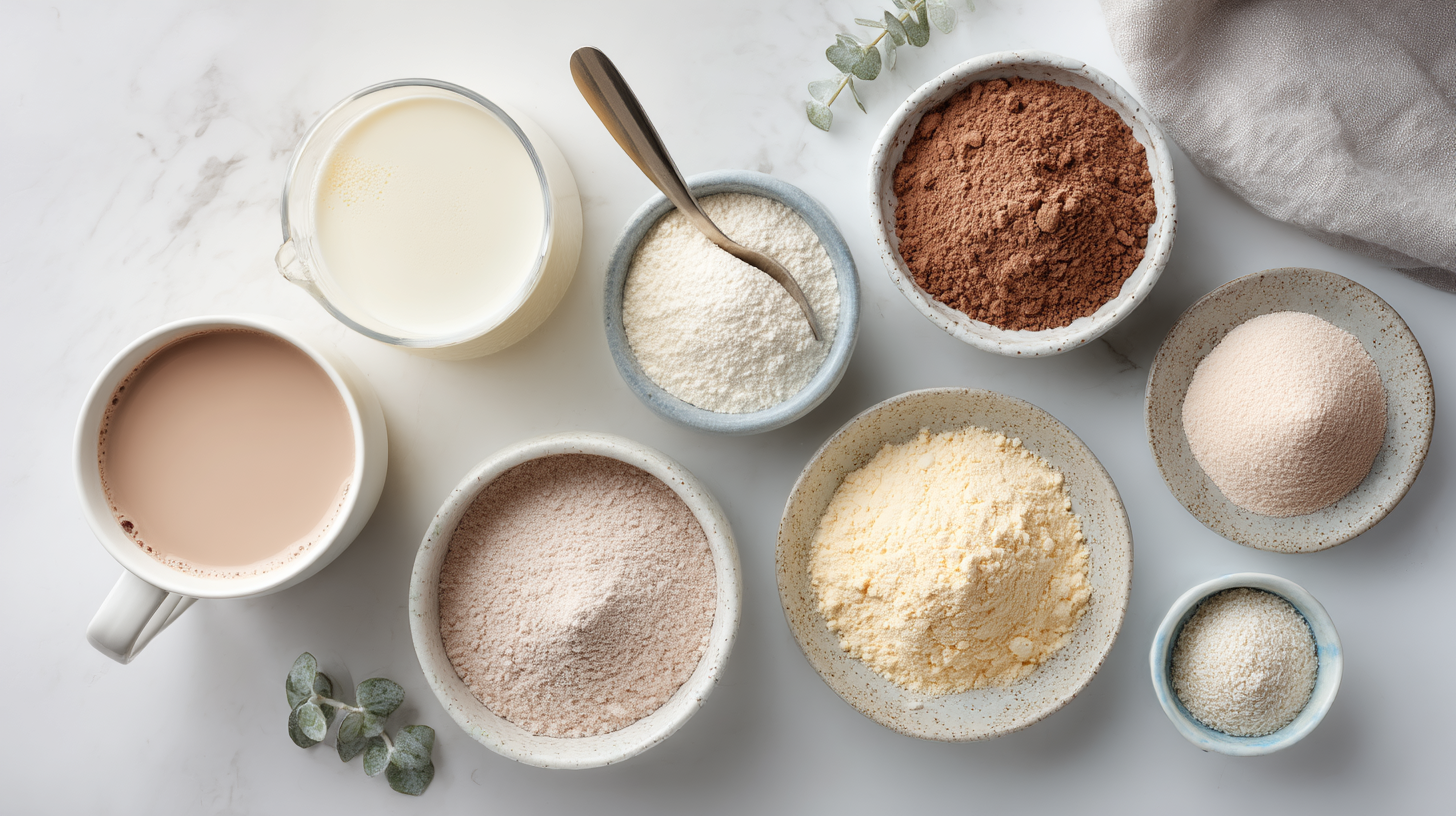
Plant-based proteins offer a versatile and sustainable alternative to animal proteins. Derived from sources like peas, soy, hemp, and chickpeas, they provide essential amino acids, fiber, vitamins, minerals, and antioxidants. Incorporating a variety of these proteins can support muscle development, digestive health, and overall wellness.
Key Nutrients in Plant-Based Protein
- Essential Amino Acids
Combining different plant proteins ensures a complete amino acid profile necessary for muscle synthesis and repair. - Fiber
Supports digestive health and promotes a balanced gut microbiome. - Vitamins & Minerals
Provides nutrients like iron, magnesium, and B vitamins essential for various bodily functions. - Antioxidants
Helps combat oxidative stress and inflammation.
Top Health Benefits
1. Muscle Growth and Repair
Plant-based proteins supply the necessary amino acids for muscle development and recovery. Combining sources like rice and beans can offer a complete protein profile.
2. Digestive Health
High fiber content in plant proteins aids digestion and supports a healthy gut microbiome.
3. Heart Health
Diets rich in plant proteins are associated with lower cholesterol levels and reduced risk of heart disease due to their low saturated fat content.
4. Weight Management
Plant proteins can enhance satiety, helping to control appetite and support weight management goals.
5. Environmental Sustainability
Producing plant-based proteins generally requires fewer resources and has a lower environmental impact compared to animal-based proteins.
Potential Side Effects and Considerations
1. Digestive Discomfort
Some individuals may experience bloating or gas when consuming certain plant proteins, especially if they have sensitivities or consume large amounts.
2. Allergic Reactions
Plant proteins like soy can trigger allergies in susceptible individuals, leading to symptoms such as hives or respiratory issues.
3. Antinutrients
Certain compounds in plant proteins, like phytates, can interfere with nutrient absorption. Proper processing methods often reduce these compounds to safe levels.
4. Heavy Metal Contamination
Some plant-based protein powders have been found to contain heavy metals like lead and cadmium. It’s essential to choose products tested for these contaminants.
Expert Recommendations
- Choose Reputable Brands: Opt for products from manufacturers that conduct third-party testing to ensure purity and safety.
- Diversify Protein Sources: Combine various plant proteins to achieve a complete amino acid profile and mitigate potential digestive issues.
- Consult Healthcare Providers: Individuals with health conditions or allergies should consult healthcare providers before making significant dietary changes.
Why Plant-Based Protein Belongs in Clarity Fuel
At Clarity Fuel, we prioritize ingredients that support holistic health and sustainability. Plant-based proteins align with our mission by offering essential nutrients, promoting environmental responsibility, and catering to diverse dietary needs.
Quick Recap
| Attribute | Details |
|---|---|
| Category | Protein Supplement, Sustainable Nutrition |
| Primary Nutrients | Essential Amino Acids, Fiber, Vitamins, Minerals, Antioxidants |
| Key Benefits | Muscle growth, digestive health, heart health, weight management, sustainability |
| Possible Concerns | Digestive discomfort, allergies, antinutrients, heavy metal contamination |
| Recommendation | Choose reputable brands, diversify protein sources, consult healthcare providers as needed |